The US-34 Industrial Corridor doesn't make the lifestyle magazines, but it's quietly become one of the most transacted commercial zones along the Front Range. This corridor has been appreciating meaningfully, attracting serious attention from owner-operators and investors who've been priced out of Denver and Fort Collins. If you're chasing yield or need real working space in Northern Colorado, check the live snapshot above — this is the conversation worth having right now.
Market Snapshot
Industrial product along US-34 is appreciating, not sitting. The price-per-square-foot here reflects the ongoing compression of industrial inventory across the entire Front Range — supply is thin relative to demand, and sellers know it. See the current market snapshot above for live figures.
Days on market for industrial sounds leisurely compared to residential until you realize these deals structurally take longer to close. Due diligence on environmental issues, zoning confirmation, and SBA financing timelines all add days. In practical terms, well-priced flex and warehouse product moves well ahead of the neighborhood average; the properties sitting at 80-plus days usually have a story — deferred maintenance, awkward clear heights, or aspirational pricing the market hasn't validated.
Appreciation here has been driven by a combination of the national industrial market repricing and Loveland-specific factors: the city has been aggressive about attracting manufacturing and logistics tenants, and owner-occupiers are responding by locking in space before rates or prices climb further.
Who Lives Here
Nobody lives here in the traditional sense — this is an industrial corridor, not a residential neighborhood. The buyers are business owners, real estate investors, and the occasional developer who sees repositioning potential. The owner-occupier is the most common buyer profile right now: a contractor, fabricator, HVAC company, or light manufacturer who is tired of paying someone else's mortgage on leased space and wants to build equity while they operate.
The investor profile skews toward local and regional players — people who already own a strip of Larimer or Weld County commercial real estate and want to add industrial to their portfolio. You're not seeing a lot of institutional money at this price point, which is actually a feature, not a bug. It keeps cap rates honest and means you're negotiating with humans, not asset managers in Dallas.
There's also a small but growing cohort of 1031 exchange buyers rotating out of residential into commercial. With residential cap rates compressing in Fort Collins and Loveland proper, industrial on US-34 looks comparatively attractive, especially with NNN lease structures that shift operating costs to tenants.
Neighborhood Character
The US-34 corridor runs east-west through Loveland with the heaviest industrial concentration between Garfield Avenue on the west end and roughly Denver Avenue heading east toward the Loveland-Berthoud boundary. The character shifts as you move along the corridor: closer to town you get older, smaller-bay buildings that date to the 1970s and 80s — functional but not pretty, with lower clear heights around 14–18 feet. Head further east past Byrd Drive and you start seeing newer tilt-up construction with 24-foot clear heights, grade-level and dock-high doors, and proper truck aprons.
Key landmarks that define the area include the Loveland Business Park off of Denver Avenue, the cluster of flex buildings near 1st Street and Madison Avenue, and the larger distribution facilities that have filled in along the eastern stretches closer to I-25. The Burlington Northern Santa Fe rail line runs parallel to parts of the corridor, which matters to buyers with freight needs. Rocky Mountain Avenue and Lincoln Avenue serve as the main cross streets feeding traffic in and out.
The honest drawback: US-34 itself is a busy arterial, and traffic between Loveland and Greeley during morning and evening hours can be genuinely frustrating for businesses dependent on driver schedules. The corridor also has some deferred streetscape investment — don't expect manicured medians and new sidewalks. This is a working industrial zone, and it looks like one.
Zoning & Development
The majority of parcels along this corridor carry Loveland's I-1 (Light Industrial) or I-2 (General Industrial) zoning designations, with some Employment Center zoning on the western transition zones closer to US-34 and Madison. I-1 allows manufacturing, warehousing, research and development, and many contractor uses by right. I-2 opens the door to heavier operations — outdoor storage, larger vehicle yards, certain processing uses. If you're buying for a specific use, confirm with Loveland Planning at 500 E. Third Street before you close; some conditional uses require a public hearing, and that can add 60–90 days to your timeline.
Development pressure is real and coming from multiple directions. The City of Loveland has approved several new industrial subdivisions east of I-25 that will add supply, but absorption has been keeping pace. ADU potential is essentially irrelevant here — this is not residential land — but there is growing interest in mixed-use industrial concepts that incorporate small office or showroom components within warehouse shells. Watch the parcels along the south side of US-34 near the 287 interchange; there's been quiet discussion about higher-intensity redevelopment as land values push upward.
Commute & Connectivity
The US-34 corridor's biggest logistical selling point is its direct connection to I-25. From properties near the Byrd Drive area, you're at the I-25 interchange in under 5 minutes. From there: Fort Collins is 20–25 minutes north (roughly 25 miles); Greeley is 25–30 minutes east via US-34 directly; Denver is 55–65 minutes south depending on traffic on I-25; and Denver International Airport runs about 75–85 minutes in normal conditions, making it realistic for businesses with regular freight or executive travel needs. The BNSF connection is a bonus for bulk freight operations, though most tenants here are trucking rather than rail-dependent.
The corridor itself can back up during peak hours — the intersection of US-34 and US-287 in particular is a known bottleneck, and CDOT has been studying improvements for years. Businesses that move product in the early morning (5–7 a.m.) or midday avoid most of it. For employees commuting in, the location is accessible from Loveland, Berthoud, Windsor, and even Greeley without requiring a highway commute, which helps with workforce retention for businesses that depend on hourly workers.
Schools & Amenities
Because this is an industrial zone, the schools question applies mainly to employees and any residential buyers who own adjacent or nearby property. The corridor falls within Thompson School District R2-J. Nearby schools include Bill Reed Middle School and Mountain View High School, which serves most of the eastern Loveland area. Mountain View consistently earns a 4–5 out of 10 on GreatSchools ratings, which reflects average state test performance but doesn't account for strong vocational and technical education programs that are genuinely relevant for industrial employers looking to hire locally trained workers. Thompson School District has expanded its CTE pathways, and that's a real asset for manufacturers hiring out of high school.
For employees working the corridor, everyday amenities are close. There's a King Soopers and a Walmart Supercenter within a few minutes on US-34, multiple quick-service restaurants along the arterial, and the Loveland Medical Center is accessible. The McKee Medical Center campus is about 10 minutes west, which matters for workplace injury response times. For companies recruiting talent, Loveland's overall cost of living and access to outdoor recreation along the Big Thompson Canyon and Carter Lake are legitimate quality-of-life arguments that help offset competition from larger employers in Fort Collins.
The Investment Angle
Industrial is the asset class that most local investors ignored for a decade and are now scrambling to enter. The US-34 corridor offers a legitimate entry point for buyers who can't compete with institutional capital in Denver's I-70 corridor. On older product that trades at a discount to newer tilt-up, you're often still acquiring below replacement cost. NNN leases in this corridor are running in a range that translates to cap rates meaningfully better than apartment or retail deals in the same market — check current comps with your broker.
The risk factors are real and worth naming: older buildings with deferred mechanical systems, potential environmental liability on sites with long manufacturing histories (Phase I and Phase II ESAs are non-negotiable on this corridor), and the fact that the market is thin enough that a few bad comps can skew valuations quickly. SBA 504 financing — while attractive for owner-occupiers — adds process complexity. That said, for a buyer who does the diligence and buys with a 10-year hold mentality, the US-34 Industrial Corridor offers a risk-reward profile that is hard to replicate in Northern Colorado commercial real estate right now.
Bottom Line
The US-34 Industrial Corridor is the right move for owner-operators who need functional space in Northern Colorado and want to build equity instead of writing rent checks, and for investors with a commercial stomach who want industrial exposure before the next leg up. This is not a speculative play for the faint of heart — environmental due diligence, zoning verification, and realistic underwriting are mandatory. But the fundamentals — location, connectivity, supply constraints, and continued price appreciation — point in one direction. See the live snapshot above for where the market sits today.
Active Listings in US-34 Corridor
View all → Active
 Active
 Active
 Active
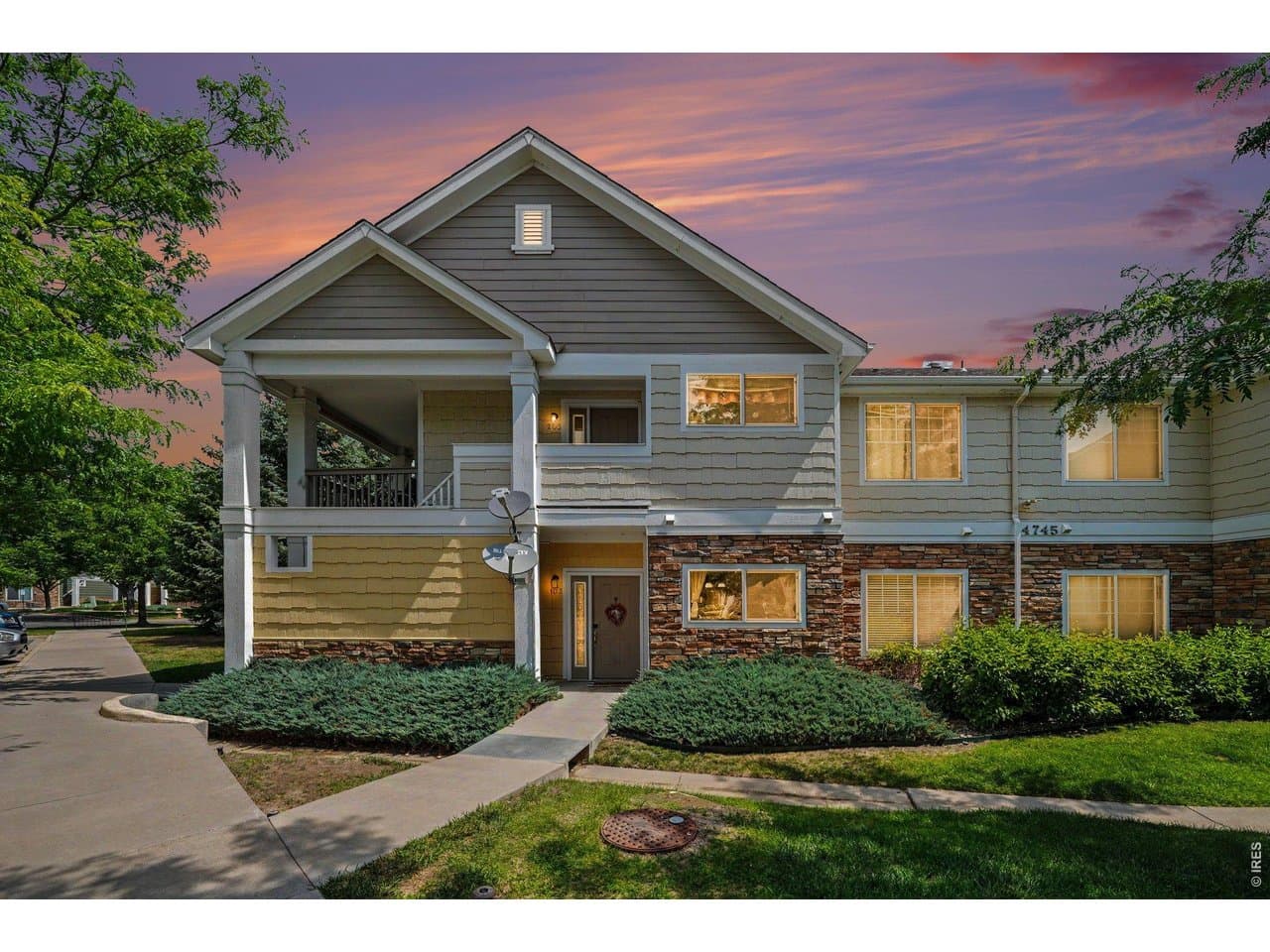 Active
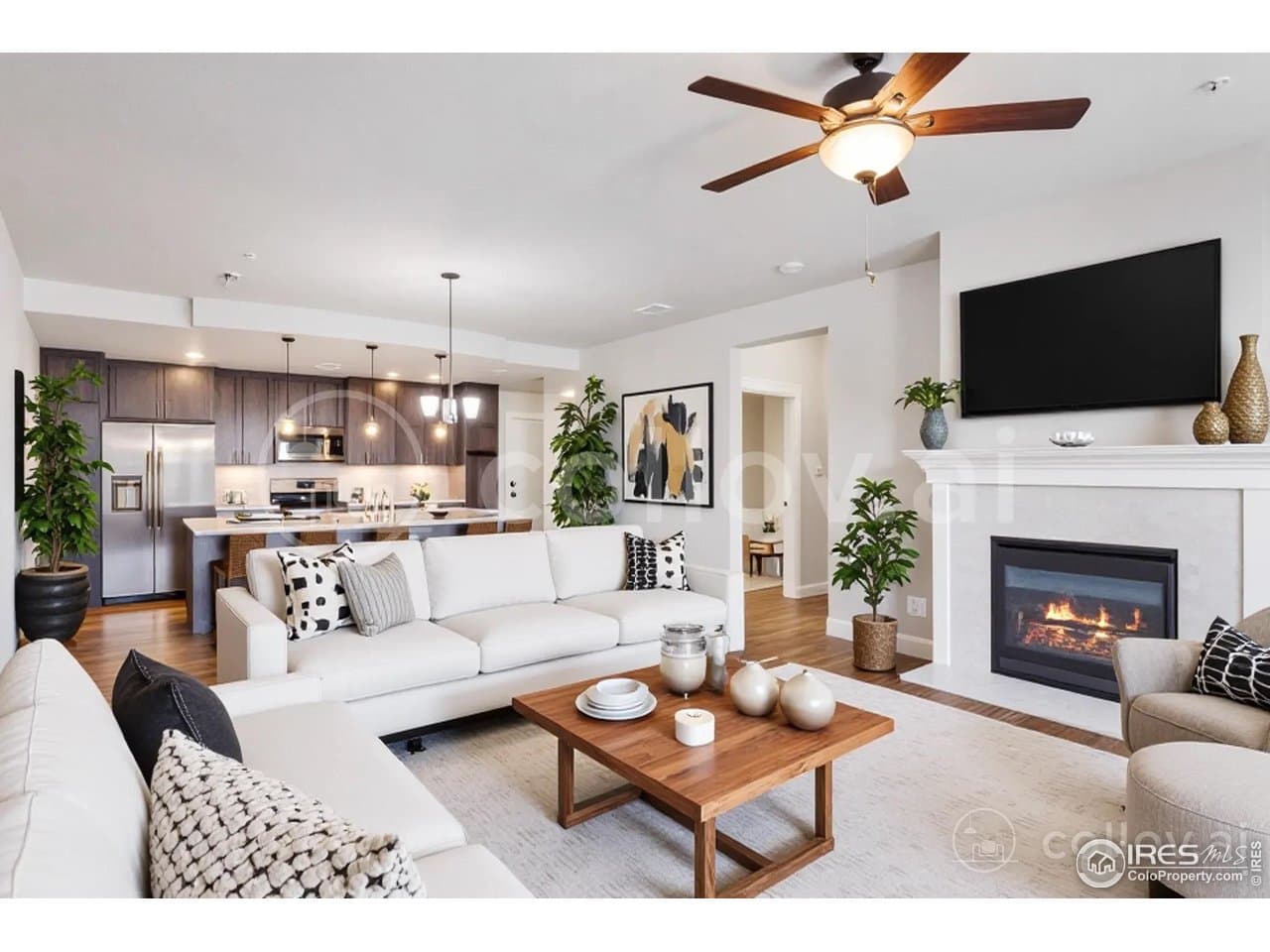 Active
Curious what your home is worth in today's market?
Get a broker-grade opinion — not a Zestimate.
Ask Rich →Frequently Asked Questions
What is the average price per square foot for industrial space on the US-34 corridor in Loveland?
Check the live market snapshot at the top of this page for current figures. That blended number spans older, lower-clear-height product from the 1970s and 80s with newer tilt-up construction, so expect meaningful variation — older small-bay buildings trade at a discount to newer dock-high facilities. Your broker should pull active and sold comps segmented by building vintage and clear height before you make any offer.
Are there environmental risks when buying industrial property on US-34 in Loveland?
Yes, and you should plan for them. Several parcels along this corridor have decades of manufacturing history, which can mean petroleum products, solvents, or other contaminants in the soil. A Phase I Environmental Site Assessment is standard practice and required by most lenders; if the Phase I flags recognized environmental conditions, budget for a Phase II. Don't skip this step on any industrial purchase in this corridor.
Can I use SBA financing to buy a building on the US-34 Industrial Corridor?
Yes — SBA 504 loans are commonly used by owner-occupiers acquiring industrial property here, and they offer below-market fixed rates on a significant portion of the purchase price. The catch is timeline: SBA deals take 60–90 days to close, sometimes longer, so you need a seller willing to accommodate that process. Some sellers will, many won't in a tightening market, so have your lender lined up before you write an offer.
How does the US-34 industrial market compare to industrial properties near Fort Collins or Greeley?
Loveland's US-34 corridor generally prices at a modest discount to Fort Collins' Prospect and Mulberry industrial zones, which have seen sharper appreciation and tighter inventory. Compared to Greeley's industrial market along US-85, Loveland typically commands a slight premium due to its I-25 proximity and stronger regional infrastructure. For buyers who need access to both the Fort Collins and Greeley labor pools, Loveland's central position is a genuine operational advantage.