Spring Creek is one of those Fort Collins neighborhoods that earns its reputation quietly — no splashy amenities center, no big-box anchor, just solid housing stock, direct trail access, and a location that puts you squarely between CSU and Old Town without the noise of either. Check the live snapshot above for current market figures — when buyers have more room to negotiate than they've had in years, that matters in a neighborhood that spent most of 2021–2023 making negotiation a fantasy.
Market Snapshot
Spring Creek is solidly middle-market Fort Collins — not entry-level, but nowhere near the top-tier territory you'll find in the Harmony Corridor or southeast developments like Fossil Lake Ranch. The price-per-square-foot here is reasonable for the location, particularly compared to comparable midtown neighborhoods. See the current market snapshot above for live figures.
Days on market in Spring Creek has moved out from the frenzied two-week windows of 2021. That breathing room means buyers have time to do a second showing, run the numbers, and ask for an inspection response without losing the deal — a meaningful shift from the panic-buying era.
Any recent price softening here reflects the broader Larimer County cooling trend driven by elevated mortgage rates rather than any neighborhood-specific problem. The supply pipeline has been healthy — this is a functioning market, not a distressed one. Many Spring Creek streets have minimal or no HOA, which is a real cost advantage worth factoring into your monthly payment math.
Who Lives Here
Spring Creek draws a cross-section that's genuinely mixed in a way few Fort Collins neighborhoods are. You'll find longtime Fort Collins families who bought in the 1990s and haven't left, CSU faculty and staff who wanted walkable proximity to campus without living in student-heavy zones, and a growing cohort of remote workers in their 30s and 40s who priced out of Denver's Wash Park or Highlands and found that $475K in Fort Collins buys a real house rather than a condo.
Retirees are a meaningful segment here too — particularly along the quieter cul-de-sacs off Spring Creek Drive and near Rolland Moore Park. Single-story ranch homes with larger lots are not hard to find in this neighborhood, which is a genuine draw for buyers who don't want stairs long-term. You won't find many investors running short-term rentals here; the owner-occupancy rate is high and the character is decidedly residential.
First-time buyers occasionally look at Spring Creek but often get priced to the margins — the entry point is real. Those who do stretch to get in here tend to stay, which keeps turnover lower than Fort Collins averages and gives the neighborhood a stable, established feel that newer developments on the city's fringes simply can't replicate.
Neighborhood Character
The Spring Creek Trail is the spine of this neighborhood's identity. Running east-west through the heart of the area, it connects Overland Trail on the west side all the way to the Poudre Trail corridor on the east, and locals use it daily for commuting by bike, running, and dog walking. Houses that back to the trail or sit within a two-block walk command a consistent premium — plan on paying 5–8% more for that access and don't expect sellers to apologize for it.
The housing stock along streets like Orchard Place, Springfield Drive, and Mathews Street ranges from 1960s and 1970s ranch-styles to 1990s two-stories, with a scattering of more recent infill builds. Lot sizes are generally generous by Fort Collins standards — 7,000 to 10,000 square feet is common, which means real backyards and room for a garage workshop or garden. Rolland Moore Park is the neighborhood's communal backyard: 123 acres with tennis courts, volleyball, a disc golf course, and open turf that fills up with youth sports on weekends.
Drive down Taft Hill Road on a weekday morning and you'll feel the only real friction this neighborhood has — the Taft Hill and Drake Road intersection handles a lot of cross-town traffic, and if you're commuting west or south, you'll sit through that light. It's not a dealbreaker, but it's a real daily variable worth knowing before you buy on the west side of the neighborhood.
Zoning & Development
Most of the Spring Creek area falls under Fort Collins' RL (Low Density Residential) and LMN (Low-Medium Density Neighborhood) zoning designations. RL lots are generally single-family with limited accessory structure options; LMN zones open up more flexibility, including the possibility of duplexes and accessory dwelling units (ADUs) on qualifying lots. If you're buying with an eye toward adding a carriage house or basement unit, pull the specific parcel's zoning from the City of Fort Collins GIS portal before you close — zoning varies block by block in this area and assumptions will cost you.
The city's updated ADU ordinance has made it meaningfully easier to add a detached unit on qualifying lots, and Spring Creek's larger lot sizes make some parcels genuinely viable for that. There's no large-scale redevelopment pressure bearing down on this neighborhood — it's built out, established, and not adjacent to any major commercial expansion zones. The biggest development activity in the broader area is along the Midtown corridor on College Avenue, which is planned for higher-density mixed-use over the next decade but won't materially alter Spring Creek's residential feel.
Commute & Connectivity
From the core of Spring Creek, you're roughly 8–10 minutes by car to CSU's main campus and about 12–15 minutes to Old Town Fort Collins under normal conditions. The Harmony Road corridor — where most of Fort Collins' major employers in tech and manufacturing are concentrated — is 15–20 minutes south depending on whether you're catching Drake and College at the wrong time. Greeley, home to a significant number of Larimer County workers in agriculture and healthcare, runs about 40–45 minutes via US-34 east.
Denver is 65–75 minutes on a clear day via I-25 south, and Denver International Airport runs 80–90 minutes in normal conditions — budget 100+ minutes for a Monday morning drive. The Transfort MAX bus rapid transit line runs along College Avenue, and several Spring Creek streets have direct bike access to MAX stations, making car-free or car-light commuting a realistic option for CSU-bound riders. For Front Range commuters, the location is honest: you're in Fort Collins, not a Denver suburb, and the I-25 corridor is your only realistic highway option southbound.
Schools & Amenities
Poudre School District serves Spring Creek, and the specific schools depend on where in the neighborhood you land. Bauder Elementary (K-5) covers much of the area and has a solid reputation for a community-focused environment — it's a smaller school, which families either love or find limiting depending on what they're looking for. Blevins Middle School (6-8) is the feeder, and while it's not the district's flagship, it has strong elective programming. Rocky Mountain High School serves the area and is genuinely well-regarded — strong AP enrollment, competitive athletics, and a student body that reflects the neighborhood's socioeconomic diversity. Check GreatSchools ratings as a starting point but talk to actual parents; district metrics don't capture everything.
For day-to-day amenities, the neighborhood is well-positioned without being oversaturated. King Soopers on Drake is the primary grocery anchor. Whole Foods and Natural Grocers are a short drive. The Foothills Mall area has gone through major redevelopment and now houses a mix of dining, fitness, and services. Café options, breweries, and independent restaurants along College Avenue are accessible within 10–15 minutes — Fort Collins has a legitimate food and brewery culture and Spring Creek residents are close enough to use it regularly without living in the middle of the Friday night crowd.
The Investment Angle
Long-term buy-and-hold investors will find Spring Creek more interesting than short-term flippers. The price-per-foot is not deep value — you're not finding distressed assets here — but the neighborhood's stability, trail access premium, and proximity to CSU create durable rental demand. Rental rates in Fort Collins for a well-configured 3-bedroom on a large lot are real and consistent; the numbers pencil only if you're putting meaningful equity down or accepting modest initial cash flow in exchange for appreciation over time.
When days on market is elevated, investors with patience have a window. If you can negotiate meaningfully below ask on the right property and add an ADU on a qualifying lot, the income math improves substantially. What Spring Creek is not suited for: short-term/vacation rental plays. The neighborhood's owner-occupancy culture, city STR regulations, and the absence of a tourist draw make Airbnb-style returns unlikely. This is a neighborhood where investors succeed by acting like landlords, not hosts.
Bottom Line
Spring Creek is the right neighborhood for buyers who want an established, walkable Fort Collins address with direct trail access, real lot sizes, and proximity to both CSU and Old Town — and who aren't willing to pay the Old Town premium to get there. When the market gives buyers negotiating leverage, use it on inspection, price, or closing costs rather than assuming the list price is the floor. If you're a remote worker, a CSU-connected household, or a long-term Fort Collins family looking for your move-up house, this neighborhood deserves serious time on your list.
Active Listings in Spring Creek
View all → Active
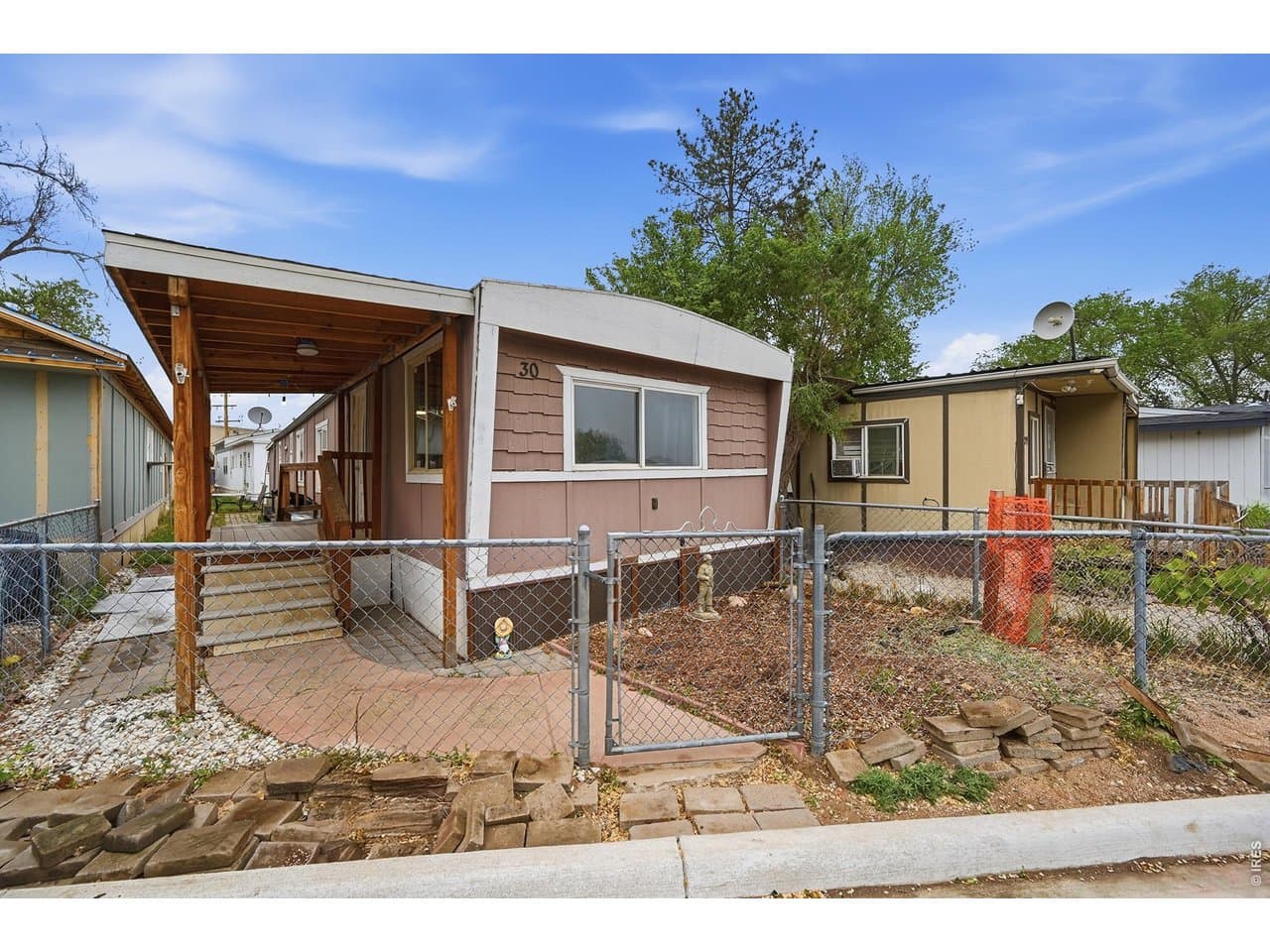 Active
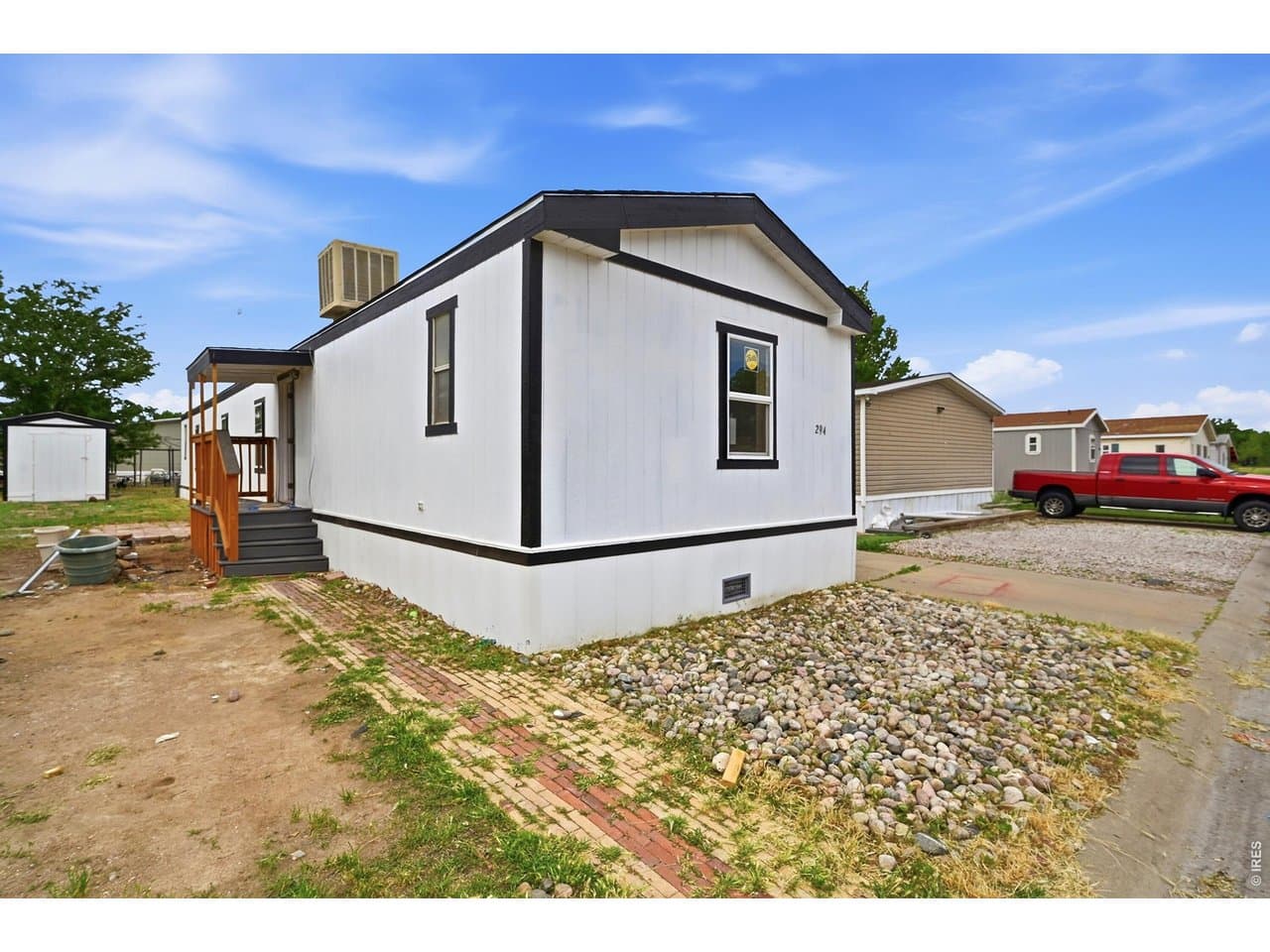 Active
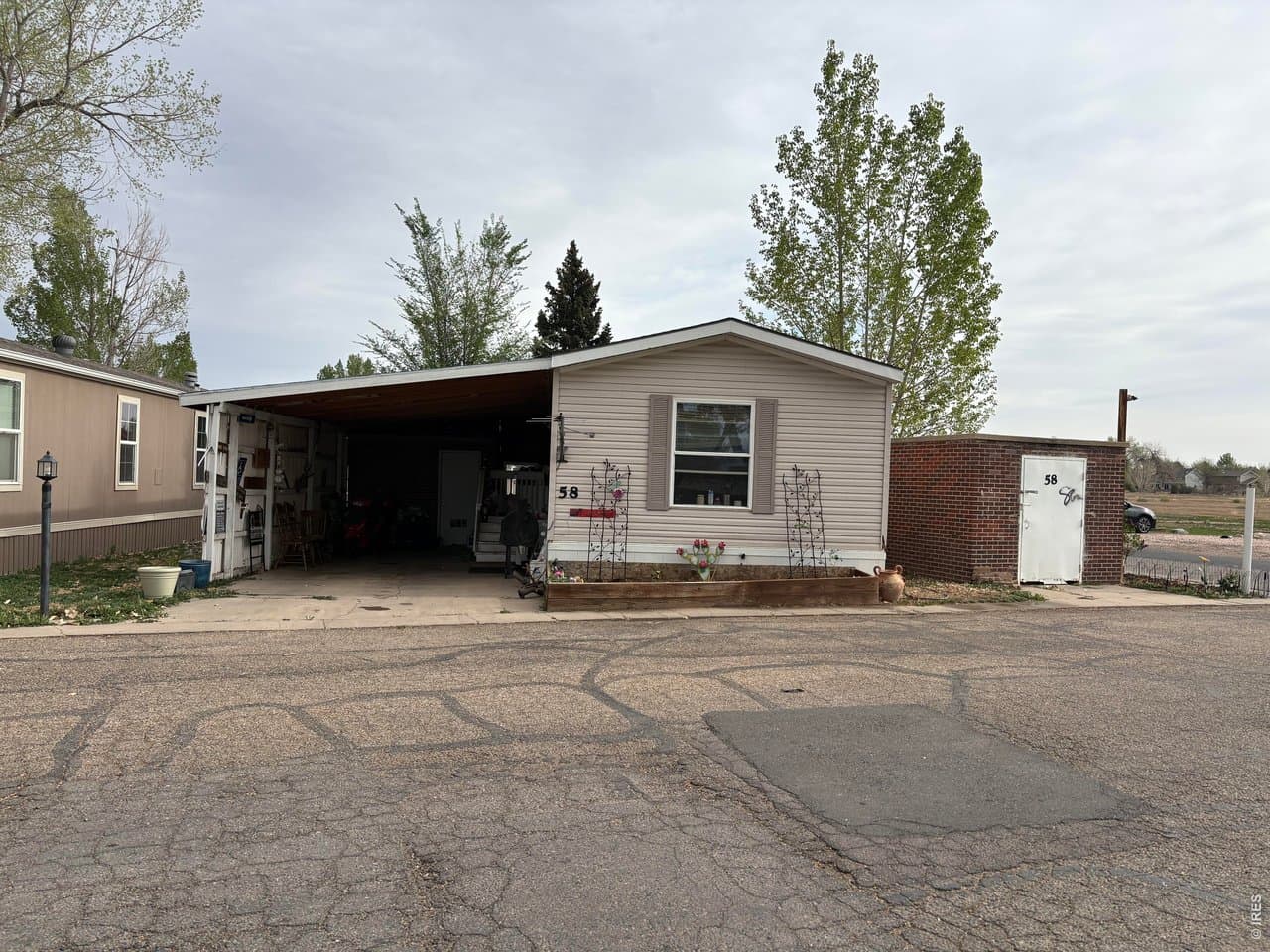 Active
 Active
 Active
Curious what your home is worth in today's market?
Get a broker-grade opinion — not a Zestimate.
Ask Rich →Frequently Asked Questions
Are there HOA fees in Spring Creek Fort Collins?
Most of the older, established streets in Spring Creek have no HOA or very minimal dues — this is not a master-planned community with mandatory fees and architectural review boards. A handful of newer infill developments and townhome clusters do carry HOA obligations, so confirm on every specific property before assuming. It's one of the neighborhood's genuine advantages over newer Fort Collins developments where HOA costs are increasingly common and meaningful.
How close is Spring Creek to CSU, and does that mean a lot of student rentals?
Spring Creek is roughly 1–2 miles from CSU's main campus — close, but not in the student-density zone you find directly around campus on streets like Myrtle or Locust. The neighborhood trends heavily owner-occupied, and while there are student rentals, they're scattered rather than concentrated. Most buyers here don't experience the late-night noise or parking pressure you'd find closer to campus.
Does the Spring Creek Trail flooding affect home values or insurability?
Spring Creek has a documented flood history — the 1997 flood caused significant damage in the area and reshaped how the city manages the corridor. The city has invested substantially in flood mitigation infrastructure since then, and FEMA flood map designations vary by exact parcel. Before you close on any property within a few blocks of the creek itself, pull the FEMA flood zone designation and ask your insurance agent for a current quote — flood insurance in an AE or AO zone adds real cost and is non-negotiable with most lenders.
Is now a good time to buy in Spring Creek?
Check the live snapshot at the top of this page for current days-on-market and pricing trends. When buyer leverage is up and days on market is elevated, you have negotiating room that hasn't existed here in years. Whether it's the right time depends entirely on your rate, your timeline, and whether you're buying to live there or as an investment. If you're planning to hold five or more years, Fort Collins' long-term fundamentals — CSU, Front Range job market, in-migration — support the case for buying now over waiting for a deeper correction that may not materialize.