Johnstown Village is moving faster than most buyers expect, and it's been one of the more liquid pockets in Weld County. Prices have been climbing steadily, which tells you demand isn't cooling off — and buyers who wait are paying more for the same product. Check the live snapshot above for current numbers.
Market Snapshot
Johnstown Village represents real value in the Northern Colorado context — the price-per-square-foot here runs below most Larimer County ZIP codes at similar price points, and that spread matters when you're stretching a budget. See the current market snapshot above for live figures.
Days on market here is short — homes that are priced right and show well are moving quickly. Turnover is healthy and sellers are actively testing the market, but inventory isn't stacking up. Buyers have some breathing room to be deliberate, but this is not a market where you make three lowball offers while you think about it.
Johnstown's appreciation has outpaced inflation and the underlying demand from both end-users and investors has not stalled. Weld County population growth is structural, not speculative, and the I-25 corridor continues to absorb demand. If you're on the fence about Johnstown Village, the data argues for moving sooner rather than later.
Who Lives Here
Johnstown Village draws a heavy concentration of young families and first-move-up buyers — people who started in a Greeley or Loveland starter home and are now looking for more square footage, a garage, and a yard that doesn't back up to a commercial strip. The price point filters out the luxury crowd but also attracts working professionals who commute to Fort Collins, Loveland, and the I-25 tech corridor.
You'll also find a meaningful share of remote workers who relocated from Denver or Boulder during the 2020-2022 run-up and discovered they could get a four-bedroom home here for what a two-bedroom condo costs in Washington Park. Many of them stayed. That demographic tends to care about internet infrastructure, home office space, and proximity to outdoor recreation — all boxes Johnstown can reasonably check.
Retirement-age buyers are a smaller but present segment, particularly empty-nesters downsizing from larger rural properties in Weld County who want a maintenance-reduced home without relocating to a full-on senior community. The neighborhood doesn't skew retirement, but it doesn't exclude it either.
Neighborhood Character
Johnstown Village is a planned residential development, and it looks like one — consistent setbacks, coordinated landscaping covenants, and streets like Parish Avenue and Village Drive that follow a logical grid rather than the organic sprawl you see in older Johnstown neighborhoods north of CR 17. That predictability is a feature for some buyers and a drawback for others who want more architectural variety.
The neighborhood is within a short drive of Johnstown Plaza on US-34, which handles most day-to-day retail needs — King Soopers, Ace Hardware, Starbucks, local restaurants. The Johnstown Town Park and the Johnstown Recreation Center on Parish Avenue are close enough to be practical amenities, not just map pins. The trail connections along the St. Vrain corridor give residents a legitimate outdoor option without getting in a car.
The honest drawback: US-34 traffic has gotten noticeably heavier as Johnstown and Milliken have grown. During morning and evening peaks, the section near the I-25 interchange backs up, and that affects anyone using 34 as their primary east-west route. It's manageable, but if your daily commute depends on that corridor, you should drive it at 7:30 a.m. before you make an offer.
Zoning & Development
Johnstown Village falls under the Town of Johnstown's residential zoning framework, which generally means standard single-family R-1 or planned unit development (PUD) designations depending on the specific parcel. ADU potential in these planned developments is limited compared to older in-town lots — the PUD covenants and HOA restrictions that govern most of Johnstown Village can prohibit or significantly restrict accessory dwelling units even where town code might otherwise allow them. Buyers interested in adding a carriage house or basement apartment should pull the HOA docs and check with the town planning office before assuming it's possible.
Longer term, Johnstown is one of the fastest-growing towns in Colorado, and development pressure along the US-34 and I-25 corridors isn't slowing down. The town has been updating its master plan to accommodate growth, which means more commercial and mixed-use development is coming to the broader area. For Johnstown Village residents, that's a double-edged sword — more amenities and services nearby, but also more traffic and density over time.
Commute & Connectivity
From Johnstown Village, Fort Collins (downtown) runs about 25-30 minutes under normal conditions via I-25 North to Prospect or Mulberry — call it 35 minutes in peak morning traffic. Loveland is closer, roughly 15-20 minutes on US-34 West, which makes it a legitimate option for anyone working in the Centerra employment corridor. Greeley is a straight shot east on US-34, typically 20-25 minutes to downtown.
Denver is the commute that needs honest conversation. Under good conditions, Johnstown Village to downtown Denver is about 60 minutes via I-25 South. During peak hours, budget 75-90 minutes one way. DIA is roughly 70-80 minutes depending on traffic and your route — US-34 to I-25 South to E-470 is the cleanest path. If you're doing that drive five days a week, factor it into your quality-of-life math. The Johnstown/Milliken area does not currently have Front Range Passenger Rail service, though the long-discussed North I-25 commuter rail project would eventually change that equation.
Schools & Amenities
Johnstown Village is served by Thompson School District R2-J, the same district covering most of Loveland and Johnstown. Pioneer Ridge Elementary and Milliken Middle School are the typical feeders for this area, with Mountain View High School in Loveland serving high schoolers. Mountain View has a solid reputation for its career and technical education programs. GreatSchools ratings in this district cluster in the 5-7 range — not the top-tier numbers you see in parts of Fort Collins or Windsor, but consistent with a working district that serves a diverse economic population. Parents who are very ratings-driven should verify current assignments and scores directly with Thompson R2-J, as boundaries shift.
For day-to-day amenities, the Johnstown Recreation Center is a legitimate community asset with a pool, fitness equipment, and youth programming. Medical services are reasonably accessible — UCHealth and Banner Health both have facilities in Loveland about 15 minutes west. The nearest hospital with full emergency services is UCHealth Medical Center of the Rockies in Loveland. Grocery, pharmacy, and basic retail are covered by Johnstown Plaza without needing to leave town, which matters more than buyers admit until they're making a Target run at 9 p.m.
The Investment Angle
Johnstown Village makes a reasonable rental investment case, though not a slam dunk. The price-per-square-foot here still leaves some room for gross rent yields to work — check current figures in the snapshot above and run your own math — but it's not the high-yield territory investors find in older Greeley neighborhoods. The real investment thesis here is appreciation: Weld County population growth is structural, not speculative, and the I-25 corridor between Fort Collins and Denver will continue absorbing demand for years. Buying with a 5-7 year hold horizon has historically worked out well in this corridor.
The risk factors worth naming: HOA restrictions in PUD developments can limit rental flexibility — some have caps on the percentage of rental units or require owner-occupancy periods before renting. Property management costs in this price range eat margin quickly. And if the North I-25 rail project actually gets built, proximity to a station could meaningfully change the appreciation trajectory — but that project has been 'coming soon' for a long time.
Bottom Line
Johnstown Village is the right neighborhood for a buyer who wants a newer, well-maintained single-family home in a growing Northern Colorado community without paying Larimer County premiums — and who can accept a planned-development aesthetic in exchange for that value. Families with kids who prioritize square footage, a garage, and park access over walkable urbanism will be comfortable here. Investors with a 5-plus year horizon and patience for HOA constraints have a reasonable case to make. See the live snapshot above for current market pace.
Active Listings in Johnstown Village
View all →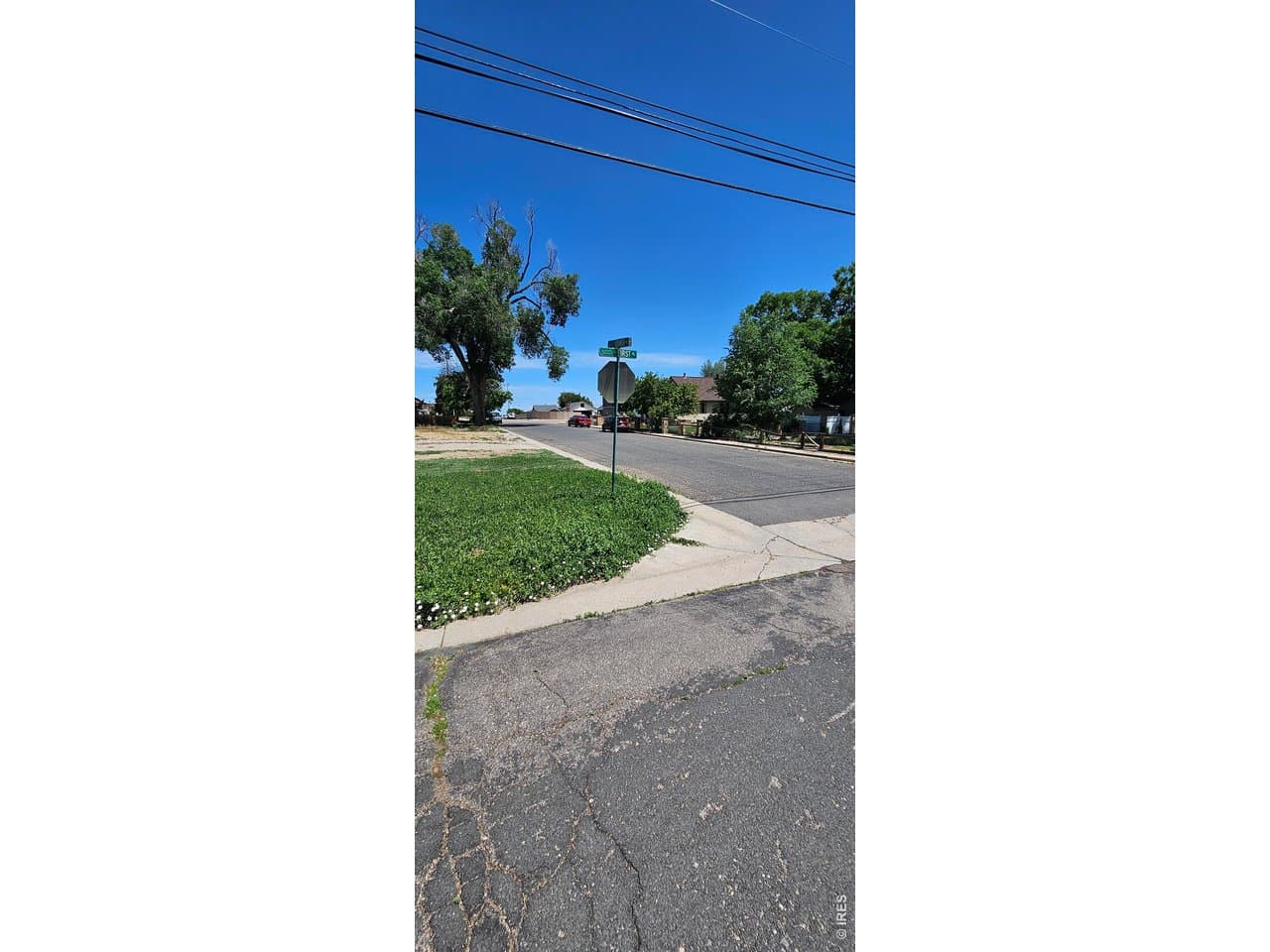 Active
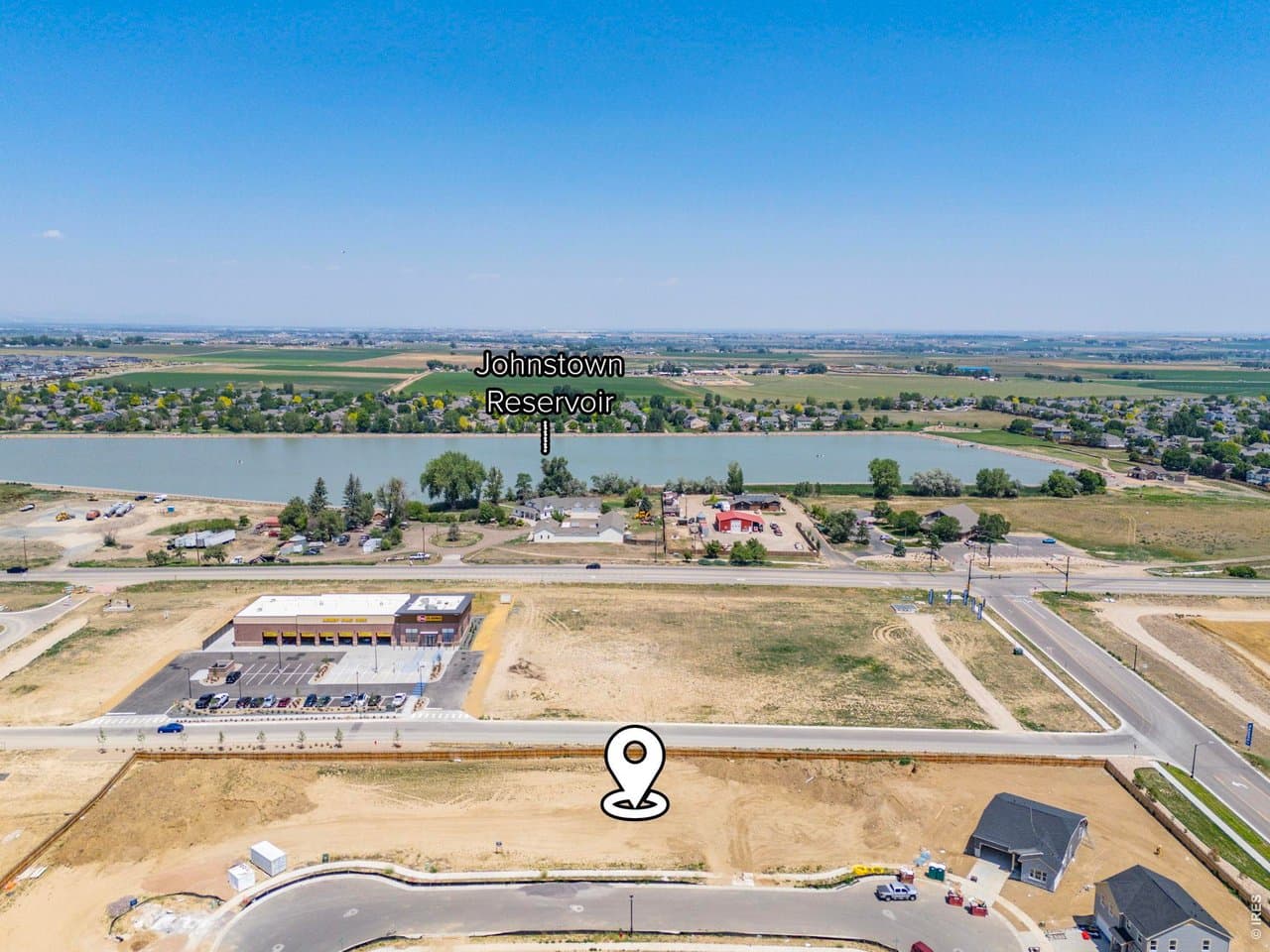 Active
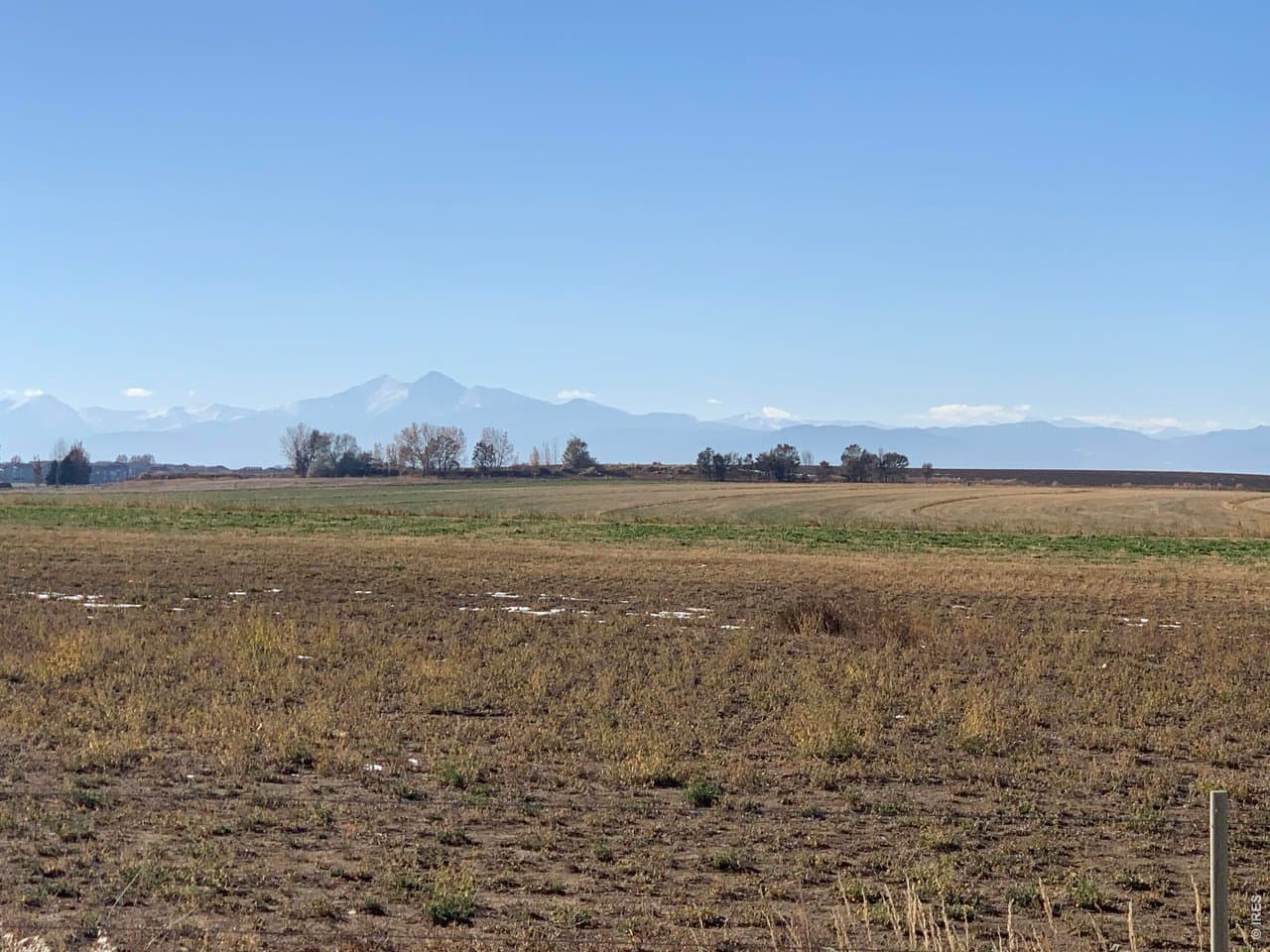 Active
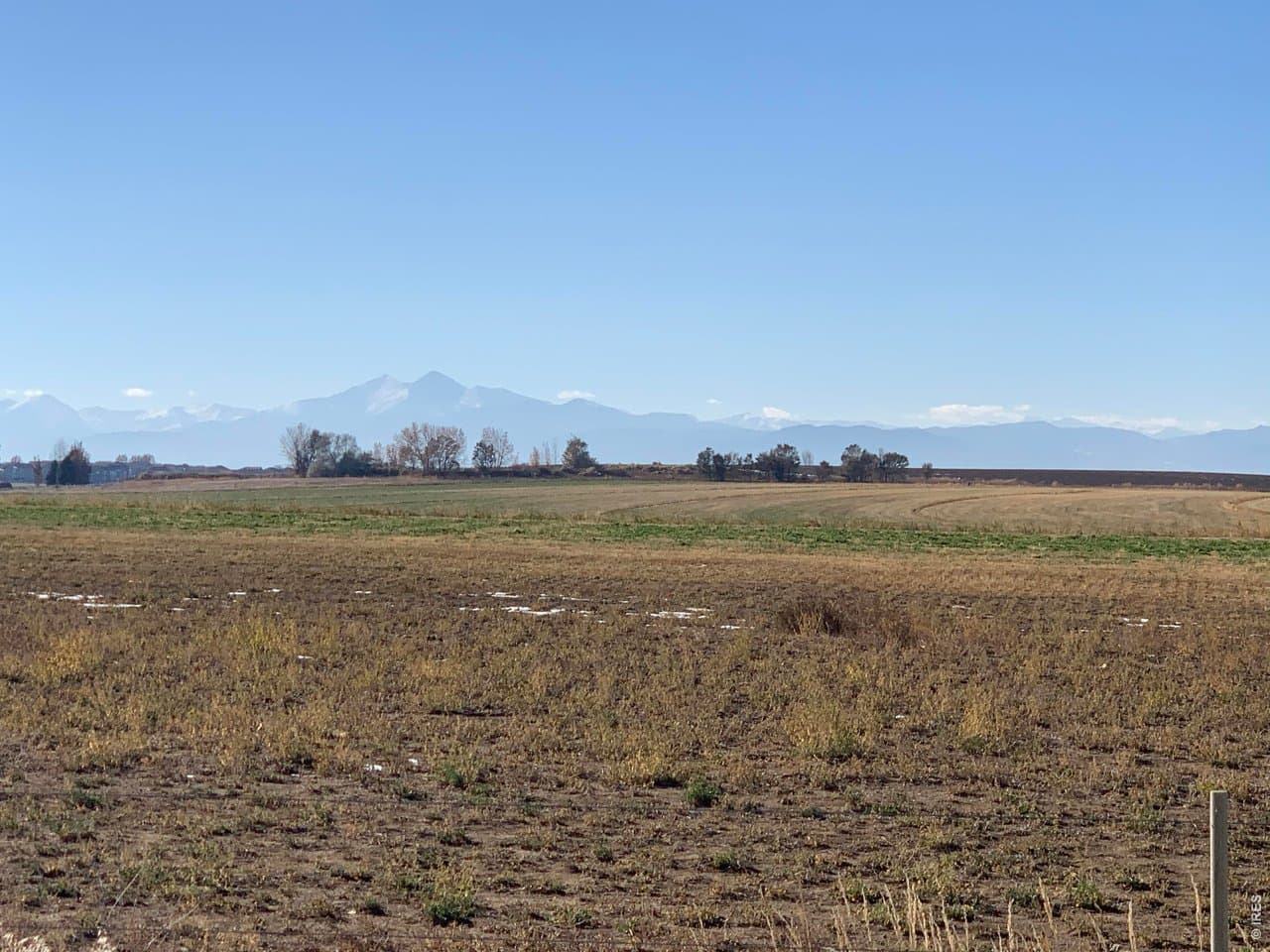 Active
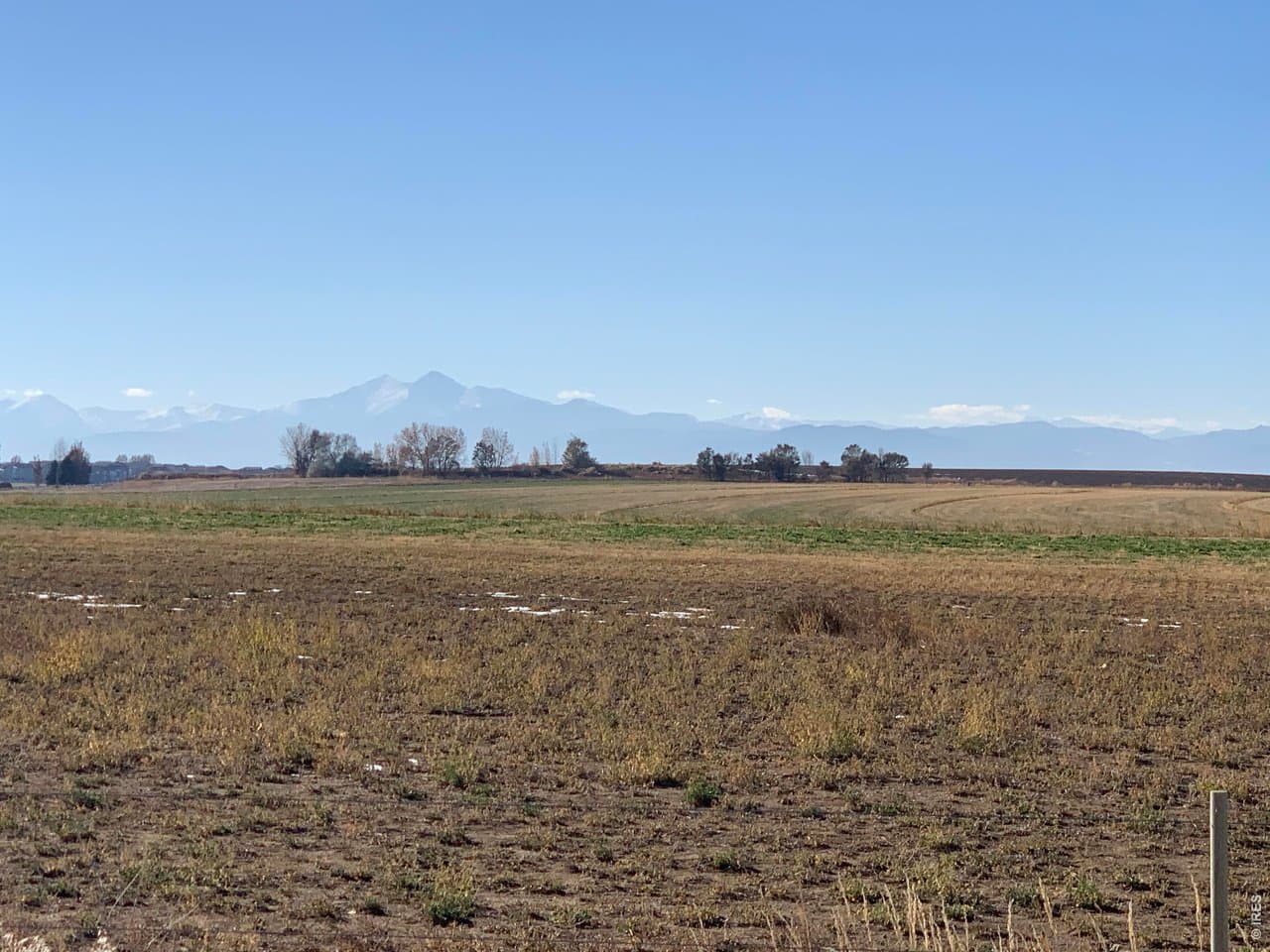 Active
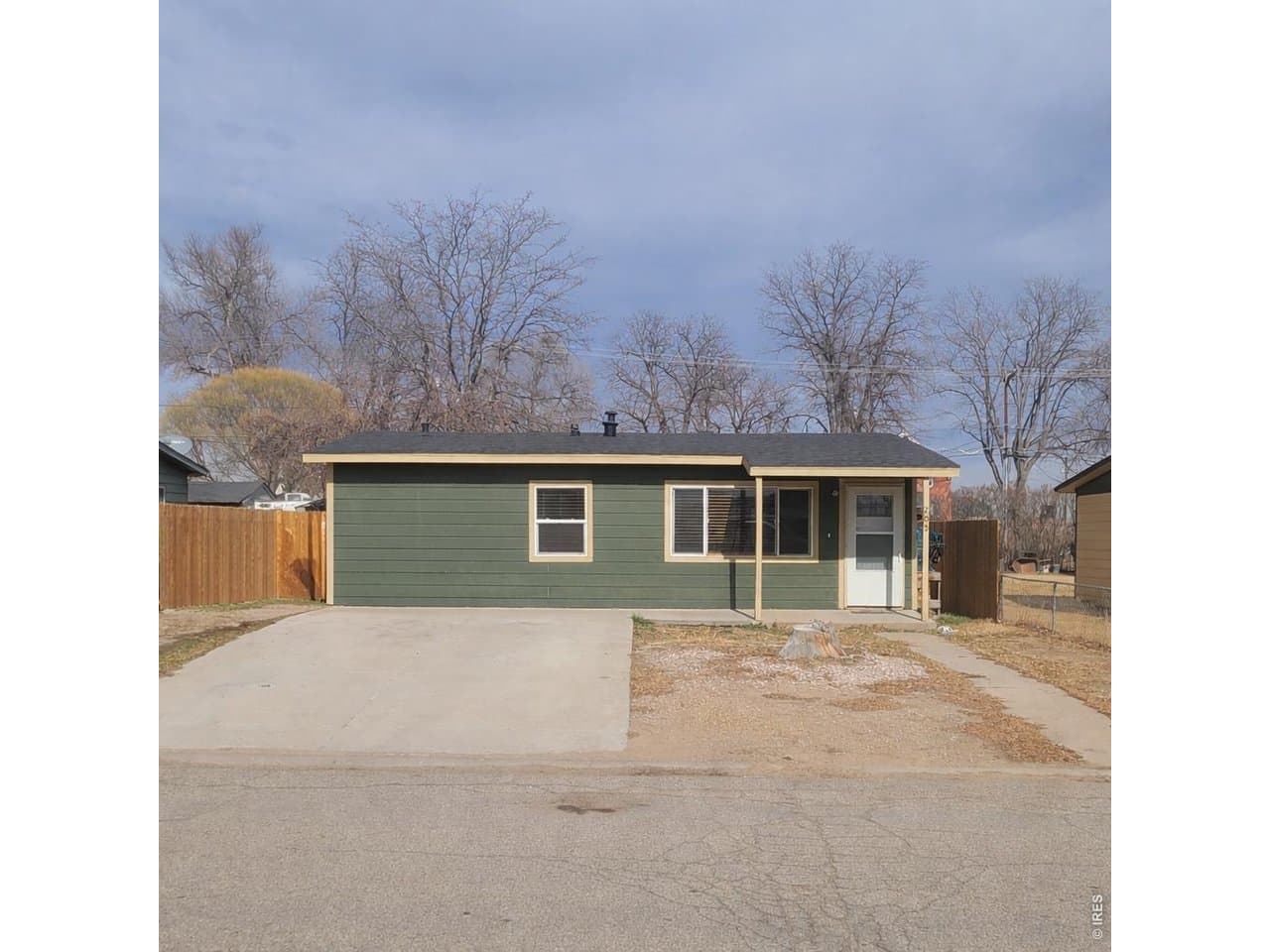 Active
Curious what your home is worth in today's market?
Get a broker-grade opinion — not a Zestimate.
Ask Rich →Frequently Asked Questions
Does Johnstown Village have an HOA and what does it cost?
Most sections of Johnstown Village fall under a homeowners association with monthly or quarterly fees that typically range from $40 to $100 per month depending on the specific subdivision plat. HOA rules generally cover landscaping standards, exterior modifications, and in some cases rental restrictions. Always request the full HOA disclosure documents before going under contract so you know exactly what you're buying into.
Is Johnstown Village in Larimer County or Weld County?
Johnstown straddles the county line, and the Village area sits within the Town of Johnstown, which spans both Larimer and Weld counties. Your specific parcel's county assignment affects property tax rates — Weld County historically carries lower property tax rates than Larimer County, which is a real financial difference over time. Verify your specific lot's county designation on the Weld or Larimer County Assessor's websites before closing.
How are property taxes in Johnstown Village compared to Fort Collins?
If your Johnstown Village home is in Weld County, you'll generally pay a lower effective property tax rate than comparable homes in Fort Collins or Loveland, which sit fully in Larimer County. Weld County's mill levy structure has historically been more favorable for residential property owners. Verify current mill levies with the relevant county assessor and run the numbers with a local lender before closing.
What are the biggest drawbacks to living in Johnstown Village?
The two most common complaints from residents are US-34 traffic congestion near the I-25 interchange during peak hours, and the limited walkability — this is a car-dependent neighborhood for anything beyond the immediate park and trail system. The planned-development layout also means less architectural individuality than older in-town Johnstown neighborhoods, which some buyers find appealing and others find monotonous. None of these are dealbreakers for the right buyer, but they're worth knowing before you move in.