Fossil Lake has quietly become one of the most consistently in-demand addresses in southeast Fort Collins — and the current numbers back that up. Buyers are competing for a finite product in a neighborhood that has stayed tightly supplied for years. If you're watching this pocket of the market, now is the time to understand exactly what you're buying into. See the live snapshot above for current figures.
Market Snapshot
Fossil Lake sits squarely in Fort Collins' move-up market — above the entry-level but well below the luxury threshold. The price-per-square-foot here runs reasonably below older in-town neighborhoods where teardown lots alone inflate that number, and appreciation has been sustained rather than cyclical — that's demand outpacing supply, not a seasonal blip. See the current market snapshot above for live figures.
Inventory here is consistently tight. Well-priced, move-in-ready homes go under contract well ahead of the neighborhood average; the listings that sit are almost always the ones priced above the comp line or carrying deferred maintenance. Buyers in this price range are informed and they do their homework.
This is not a buyer's market. Sellers have pricing power, and the rate environment has actually helped Fossil Lake by keeping fence-sitters in place — meaning less competition from cascading move-up chains. If you find the right home here, don't expect a second chance to negotiate.
Who Lives Here
Fossil Lake attracts a specific buyer: dual-income households, often with school-age children, who want finished interiors, HOA-maintained common areas, and access to good schools without paying Old Town prices. You'll find a heavy mix of tech professionals commuting to HP/Agilent-legacy companies along Harmony Road, CSU faculty and administrators, and healthcare workers tied to UCHealth and Banner Health campuses a few miles north.
The neighborhood also draws a meaningful number of Colorado transplants — people relocating from Denver's Front Range suburbs who want more space per dollar and a slower pace without sacrificing urban amenities. These buyers typically know exactly what they want and move decisively, which is part of why well-priced listings don't last.
Downsizing empty-nesters are a smaller but growing segment, particularly in the single-story and patio-home configurations within the community. They're drawn by the trail connectivity and the low-maintenance lifestyle the HOA provides. Don't expect this neighborhood to skew young — the price point filters out most first-time buyers unless they have significant family help or a substantial down payment.
Neighborhood Character
Fossil Lake is a late-1990s through mid-2000s master-planned development anchored around the Fossil Lake subdivision proper and the adjacent Fossil Creek Reservoir Regional Open Area. The reservoir itself is the neighborhood's defining geographic feature — you can see it from select lots along Fossil Lake Drive and Brittany Drive, and the open space buffer it creates is genuinely valuable, both aesthetically and in terms of what can't be built there.
The street grid is predictable in the way master-planned communities always are, but the lot sizes are more generous than what got built in the late 2010s boom — 7,000 to 10,000 square foot lots are common, and you'll find mature landscaping on the older sections that new construction simply can't replicate. Trilby Road forms the southern boundary and carries real traffic during peak hours, so homes backing up to Trilby or fronting on it directly experience meaningful road noise — that's worth knowing before you fall in love with a listing.
The internal trail system connects to the Fossil Creek Trail corridor, which runs north toward Cottonwood Glen Park and eventually links into Fort Collins' broader Poudre Trail network. That connectivity is a legitimate selling point, not marketing fluff. Residents actually use it — you'll see cyclists and runners on the internal paths on any given weekday morning.
Zoning & Development
Most of Fossil Lake falls under Fort Collins' LMN (Low Density Mixed-Use Neighborhood) or RL (Low Density Residential) zoning designations, depending on which sub-plat you're looking at. What that means practically: single-family use is the default, accessory dwelling units are permitted in some configurations under Fort Collins' updated ADU ordinance, but lot coverage limits and setback requirements in this development are tighter than in older in-town neighborhoods. If ADU income potential is part of your calculus, pull the specific zoning record before you write an offer — don't rely on general city policy.
Future development pressure in this part of southeast Fort Collins is real but not imminent. The land immediately south along Trilby and east toward Ziegler Road has been earmarked for residential and mixed-use growth in the city's master plan for years. What gets built and when depends on infrastructure funding and developer appetite. The short answer: Fossil Lake itself is fully built out, but the surrounding area will continue to densify over the next decade, which will add traffic but also likely add commercial amenities within a short drive.
Commute & Connectivity
From Fossil Lake Drive, you're looking at roughly 15-20 minutes to Old Town Fort Collins under normal conditions — longer during the Harmony Road rush hour crunch between 7:30 and 8:30 AM. The Harmony corridor is the neighborhood's primary access artery, and it earns its reputation for congestion. Heading north on Ziegler or Timberline to Harmony is often faster than fighting the College Avenue signal timing.
For regional commuters: Greeley runs about 40-45 minutes via US-34 or CO-257 depending on your destination. Downtown Denver is 65-75 minutes on I-25 in light traffic, realistically 90 minutes during morning drive. Denver International Airport clocks in at 75-90 minutes depending on I-25 conditions — the stretch through Weld County near Windsor is where you lose time when there's an incident. Transfort bus service is available but limited for suburban patterns; most Fossil Lake residents are car-dependent for anything beyond neighborhood errands.
Schools & Amenities
Fossil Lake feeds into the Poudre School District, with Fossil Ridge High School being the marquee draw. Fossil Ridge consistently rates as one of PSD's stronger high schools — solid AP program, competitive athletics, and a graduation rate that holds up well against state averages. Werner Elementary serves the younger grades and carries a solid reputation among families in the area, though class sizes have crept up as southeast Fort Collins has grown. Preston Middle School is the link in between; it's a competent school but not a standout — parents involved in athletics and activities tend to have the best experience there.
On the amenities side, the Harmony Road corridor delivers most of what residents need within 5-10 minutes: King Soopers, Whole Foods, Target, and a dense strip of restaurants and services around the Harmony/Timberline intersection. The Harmony Library branch is a short drive north. Fossil Creek Park — not the reservoir, but the developed park on McClelland Drive — gives families ball fields, a disc golf course, and playground access. The closest serious dining and nightlife is Old Town, which is a deliberate drive, not a walkable option from here.
The Investment Angle
Fossil Lake is not a cash-flow rental play at current price points. Even with strong rents in Fort Collins, the numbers don't pencil for a traditional long-term rental strategy unless you're putting down significant equity and accepting thin margins. The rental market in this price tier attracts corporate relocations and high-income tenants, which means lower vacancy risk but also higher turnover and maintenance expectations. I've seen investors chase this neighborhood thinking it's Fort Collins' equivalent of a sure thing — it can work, but not with 2020 assumptions about interest rates.
The appreciation story is more compelling. Fossil Lake has tracked consistently above the broader Fort Collins median over the past decade. For buyers who intend to hold 5-7 years, the combination of quality school district, trail access, and constrained new-build competition within the development itself creates a defensible value proposition. If you're an owner-occupant who views your home as a long-term wealth-building tool alongside your 401K, Fossil Lake has historically rewarded that mindset.
Bottom Line
Fossil Lake is the right neighborhood for households who want a finished, established community with real outdoor access, solid schools, and a track record of holding value — and who don't need to be walking distance to Old Town to feel at home. It's not a bargain, and it's not without its traffic frustrations, but it consistently delivers what it promises. Buyers who hesitate waiting for prices to soften here have generally regretted it.
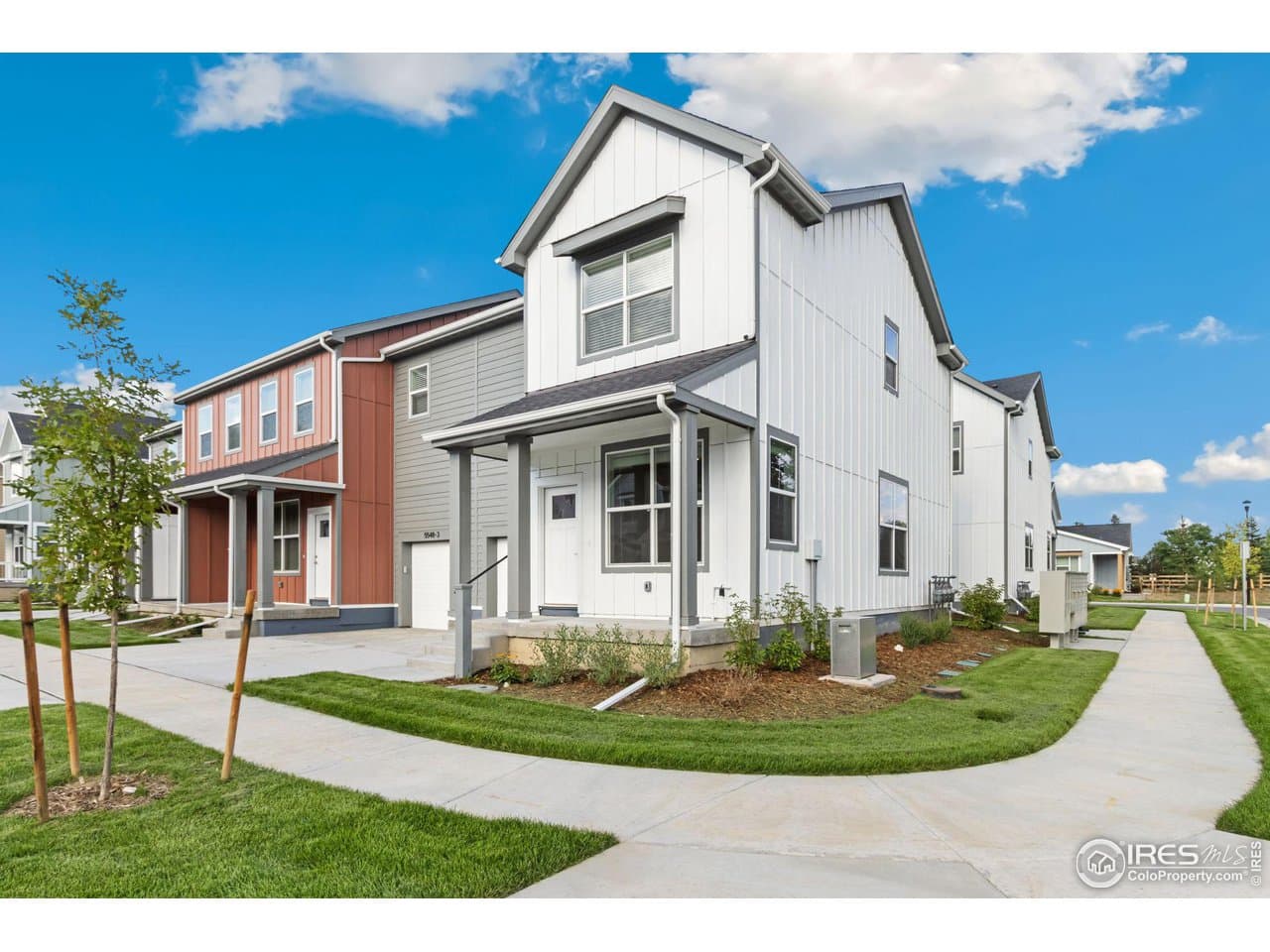
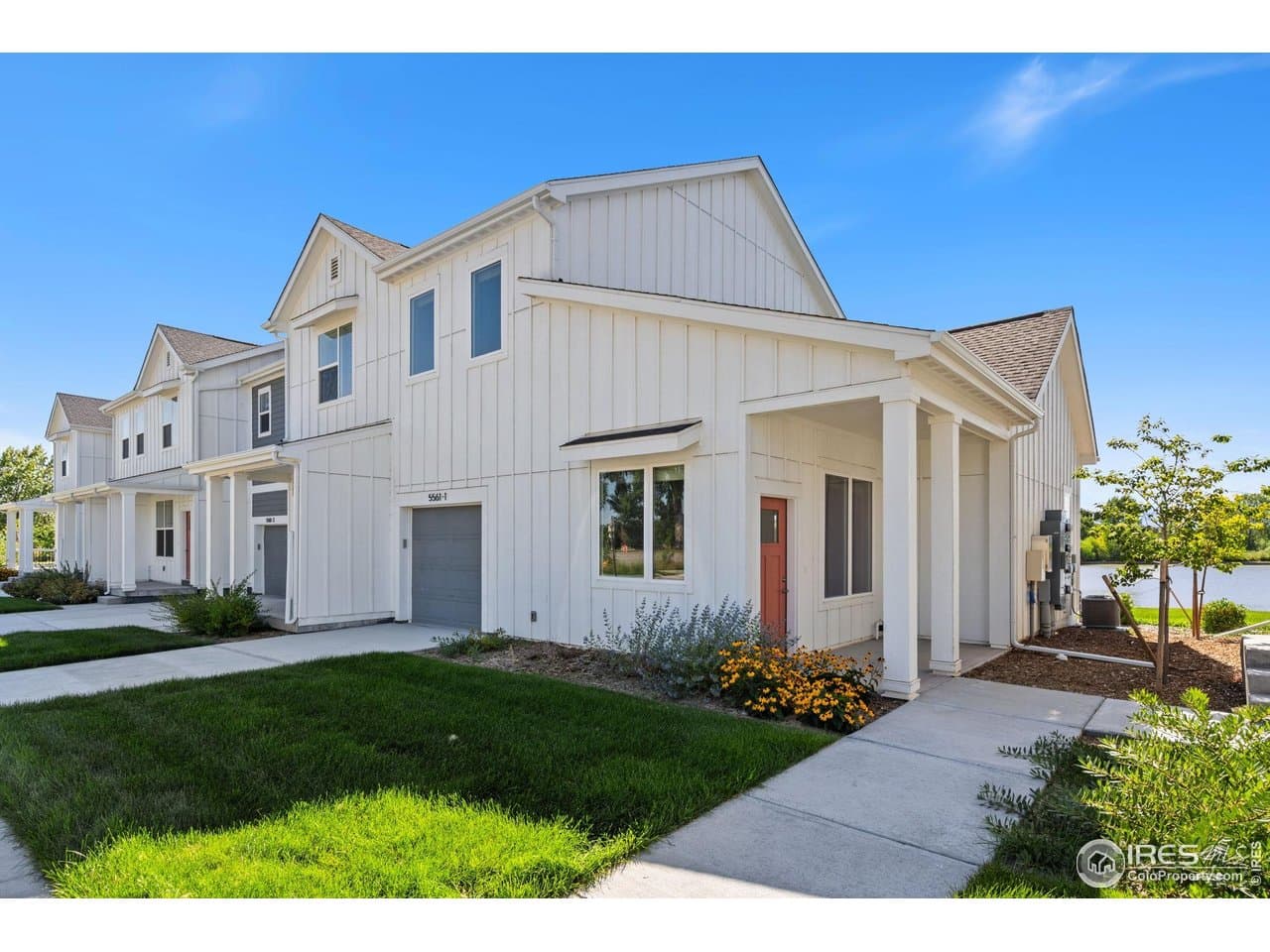
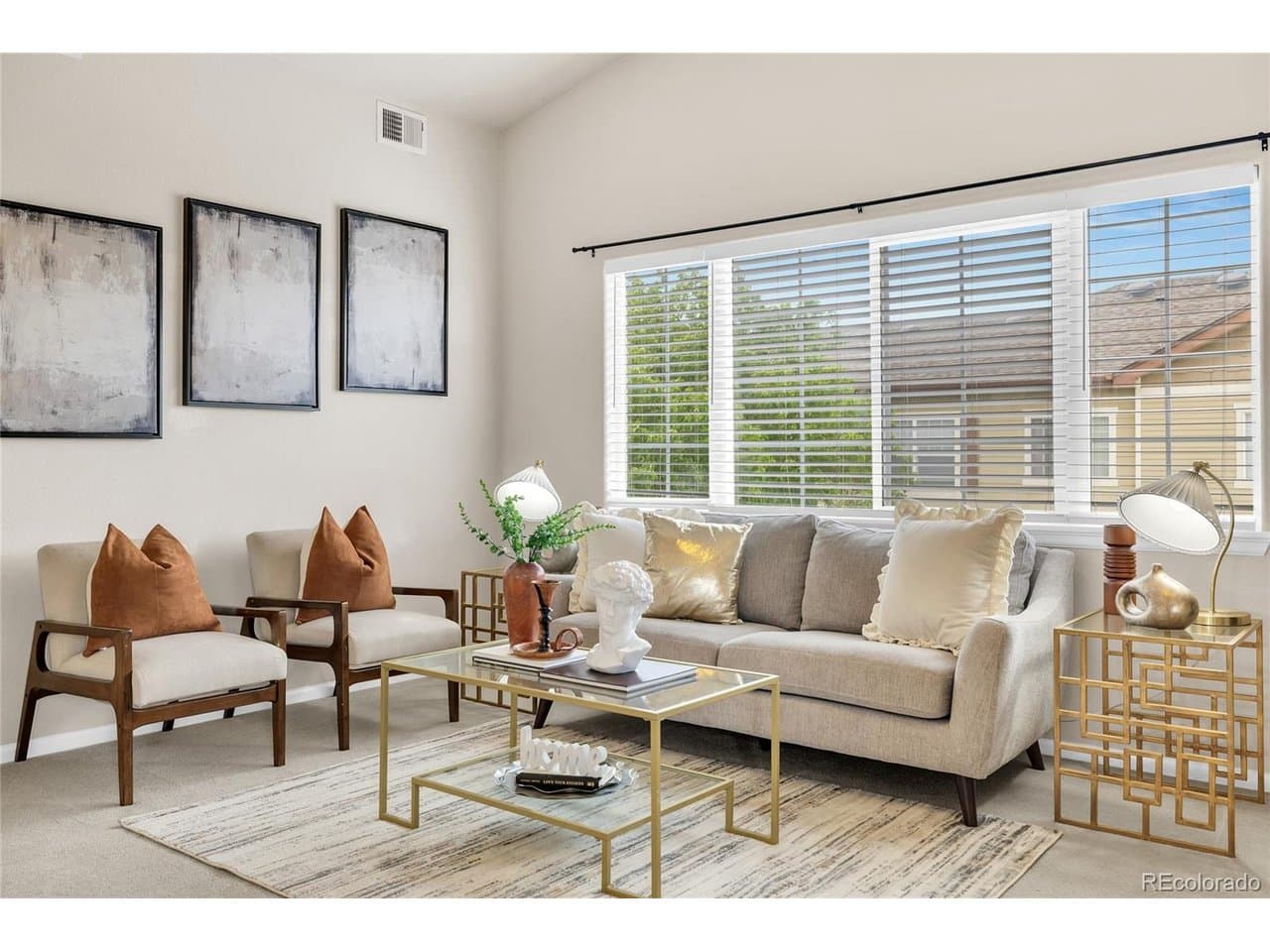
Active Listings in Fossil Lake
View all →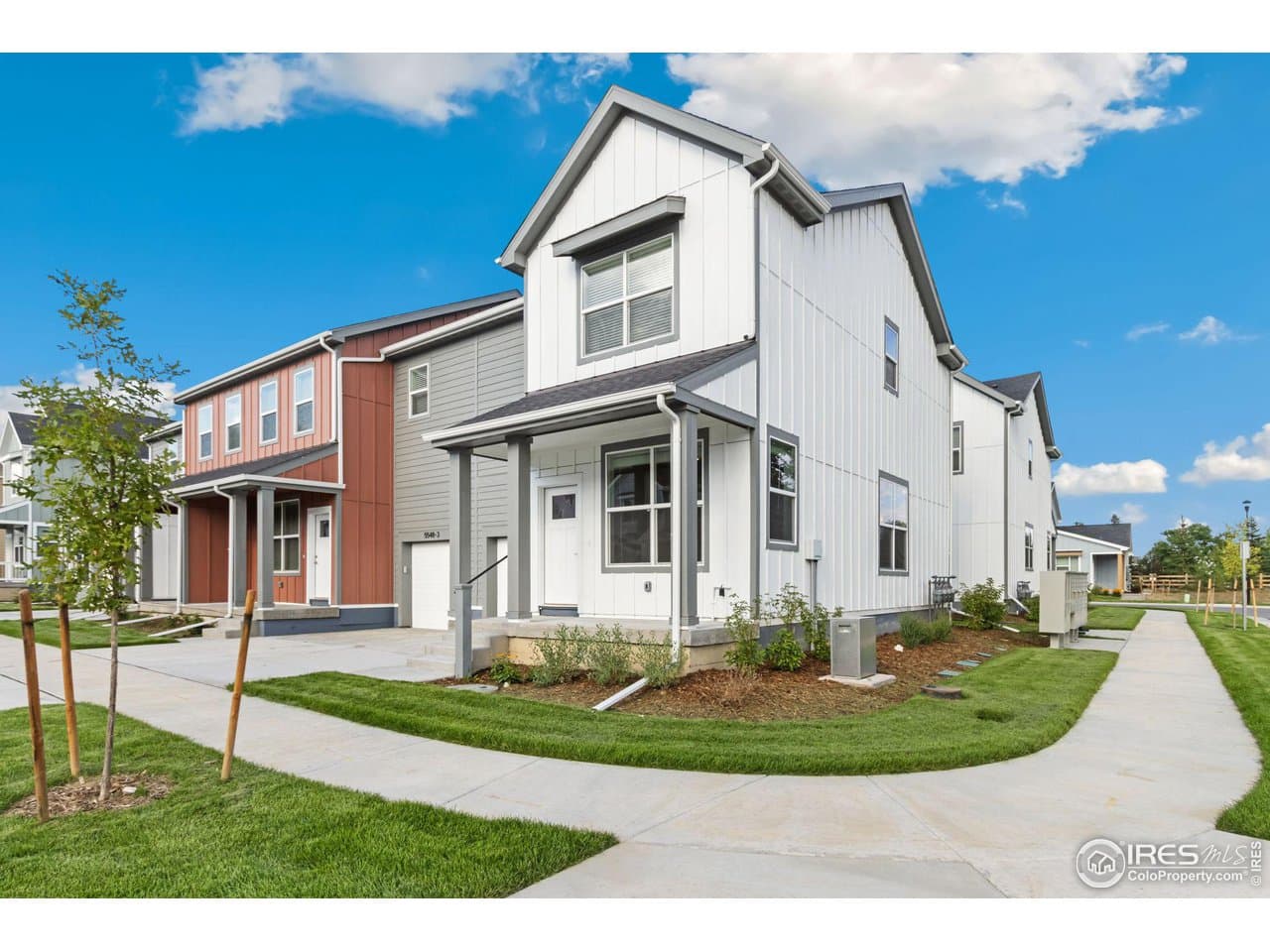 Active
 Active
 Active
 Active
 Active
 Active
Curious what your home is worth in today's market?
Get a broker-grade opinion — not a Zestimate.
Ask Rich →Frequently Asked Questions
Is Fossil Lake Fort Collins worth the price compared to other southeast Fort Collins neighborhoods?
Compared to nearby developments like Provincetowne or Sunstone, Fossil Lake commands a modest premium that's largely justified by proximity to the open space, the trail system, and slightly larger lot sizes in the older sections. Whether it's 'worth it' depends on how much you value those features — if trail access and reservoir views aren't priorities, you can find comparable square footage for less a mile or two east.
What are the HOA fees and rules like in Fossil Lake?
HOA fees vary by sub-association within the broader Fossil Lake development — expect somewhere in the $400-$800 annual range for most single-family homes, with some townhome or patio-home sections running higher due to exterior maintenance coverage. The HOA is moderately active: landscaping standards are enforced, and there are architectural review requirements for exterior changes. It's not oppressive, but it's not a hands-off HOA either — budget accordingly and read the covenants before closing.
How bad is flooding risk near Fossil Creek Reservoir in Fossil Lake?
The reservoir itself is managed open space, and the flood mapping in this area was revised substantially after the 2013 Front Range floods. Most residential parcels in Fossil Lake proper are not in high-risk FEMA flood zones, but homes in the lower-lying sections along the reservoir edge or in drainage corridors bear closer scrutiny. Pull the FEMA FIRM map for any specific address you're considering — your lender will require flood determination regardless.
Are homes in Fossil Lake Fort Collins good candidates for adding an ADU?
Potentially, yes — Fort Collins has made its ADU ordinance more permissive in recent years, and some Fossil Lake lots have enough square footage to accommodate a detached or attached accessory unit. The limiting factors are typically setbacks, lot coverage maximums, and the specific sub-plat's HOA covenants, which in some cases prohibit or restrict ADUs independent of city zoning. Don't assume city approval means HOA approval — verify both before you make ADU potential a central part of your purchase decision.